Skip to Content Skip to Search Go to Top Navigation Go to Side Menu


"documentary" Category


Eat sleep create?


Thursday, May 27, 2010

Detail from the flee
Detail of the Bayeux Tapestry,c.1066. People eat, sleep, breed and create.

In this post I will quickly address to a specific example and a specific theory that goes into this subject. Even though we do not see art as a necessity to life, as long as we life there tends to be creativity. Apparently they go together, they feed each other. How are they linked? Besides sleeping, eating and breeding, do we need culture? If it does not contribute to surviving, why is it there? Man has been carving in caves, painting in sand and weaving threads to tell stories that will survive us. You could say this is a pattern in human existence. If storytelling or archiving in either books or objects is a pattern, is creation equal to basic need? Researching this subject I found the Bayeux Tapestry to be a nice study case. Tapestry’s made at the time of the Bayeux Tapestry are often described as folk art. Folk art, a concept that is very well explained by Jean Dubuffet, typically embodies traditional forms and social values. It originally suggested crafts and decorative skills associated with peasant communities in Europe – though presumably it could equally apply to any indigenous culture. It has broadened to include any product of practical craftsmanship and decorative skill. Folk art has also a utilitarian characteristic to it. Utilitarian because it displays the life events of a collective, rather than an individual experience. This social or collective aspect of it makes it interesting to research in association to social behavior. When looking at cultural history there are bluntly put two ways to look at the history: through folklore culture and through ‘elite’ art culture.
Art in the 14th century was a male dominated field. Artists worked a lot for commissions, and painting can be seen as the biggest medium. It represents an elite culture because the elite financed most paintings. On the opposite the folklore culture deals with a great collective history. Woman, left on the shores while their man went out for wars or exploration, stood together and shared their lives in many ways. It is no wonder then, that most of the folklore art, made by these women in particularly, is usually subject to a specific event in their lives. The documentation we know nowadays, is the same as the folk art way of storytelling of these long last centuries.


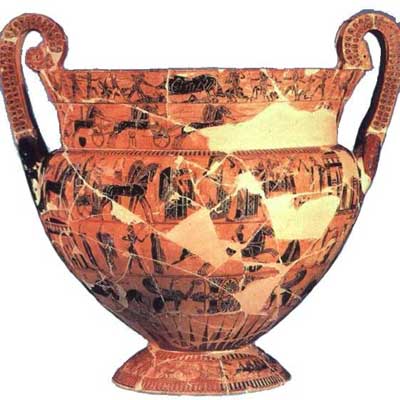
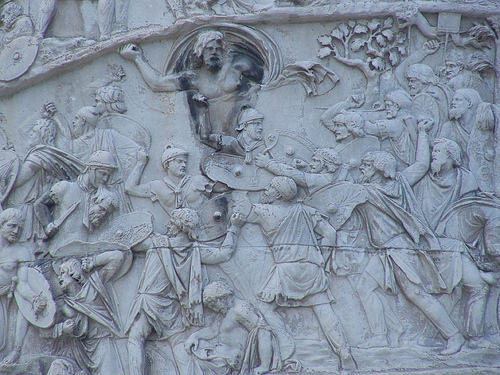
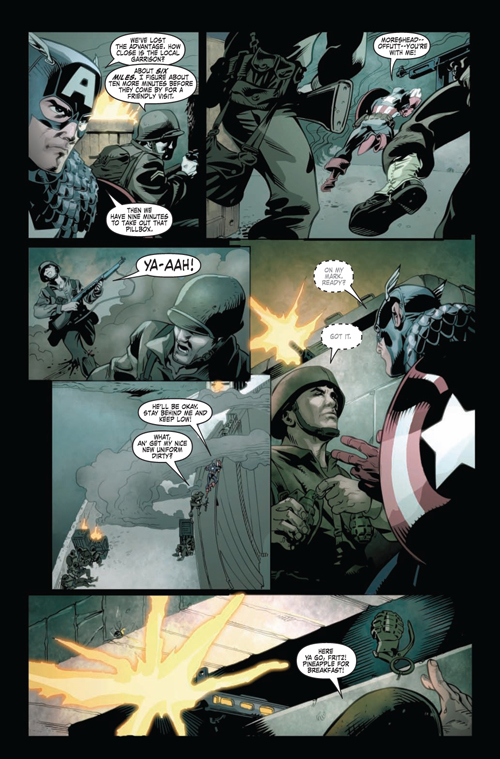
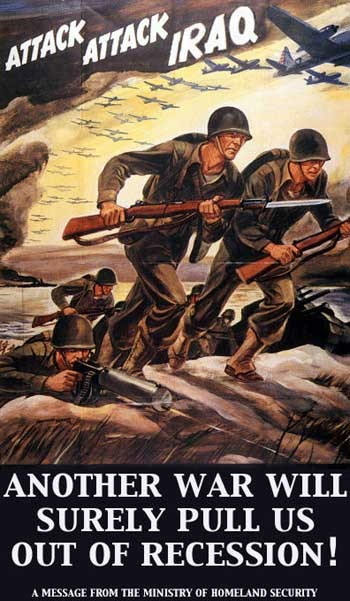
Greec Vase 570 BC, Trajan Column Rome, Captain America vs the Axis of Evil, a message from the Minestry of Homeland Security.

Although you could argue that the Bayeux Tapestry is not an example of folk art, I would say it is. It is true that the tapestry was made as a commission and the ‘team’ of people who made it where highly classified workers who were selected to work for the state of England. But think about it. It is not about who made it that much, it is about the specific choice for this medium. Each medium talks and feeds our minds differently, not only visually. So the English King and Queen wanted to document this period of Great War. They could also have chosen any other medium besides tapestry. They could get a painter to make a huge war scene; they could pick a hero from the battlefield and give him a statue. But they chose for the medium of textiles. And there is a reason for this choice. The Bayeux Tapestry is made in this form so that the people could relate to it. It is made as a form of propaganda to underline connections between the English crown and the bishop at the time in England. Also there are small references to the Normandy regime, undermining their power and choosing a more heroic English version of the battlefield. The Bayeux Tapestry, or actually the real technique is embroidery, is like a modern propaganda youTube movie. Looking at it shows no difference to ‘real’ amature paste-up movies. In this case there is surely a strategy behind it. I do not want to go into this too much, or make it a conspiracy story, but it seems not more than logical to me that a mass medium is not always just directing the masses of the people. It can also be used to address the elite, because it appeals so much to the mass. Susan Sontag already wrote it in on photography. Amateur pictures and art photography are different. They talk different. But this difference is a strength you can use.

So from which desire does folk art come? In researching the essence of why we create the basic question first is what is there to create from? Philosophers have written many theories about how we perceive the world. Choosing one of the many, I focus on the theory of Lacan. It describes three ways in which the world is ordered. It is interesting because it suggests that the way we life, think, and create are prior to eating, sleeping and breading. This all comes from Lacan’s theory on the three world orders, being the real, the symbolic and the imaginary.

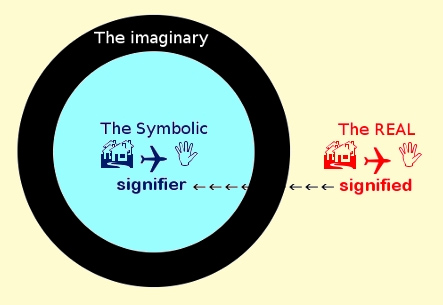
Lacan’s order of the Real finds a lot of similarities with the well known philosophical term ‘die welt an sich’. The real order is the objective outside world, known as a whole, without any conceptual boundaries set by language. This order always remains invisible for the subject, never to grasp. The symbolic order is the world the way we experience it through language, image, story, and so on. Every conceptual possibility in words is used to give form to the imaginary order. That imaginary order is the world of desire and fantasy. It is not only desire and fantasy as we know it in de Freudian way.
In Lacan’s theory the imaginary refers to every single subjective experience through the real. In the three orders it is clear that the imaginary order is something that is fundamental to our being. We think, or at least we would like to believe so. Every thought, desire, fantasy or whatever you experience non-materialistically fits into this order. But it did not come there by a gift of god. Like I said above, the three orders feed each other. Our experience comes from the real world, but what we notice of this is depending on the symbolic order. In a way the symbolic order determines what we explore of this real order. Then again, the imaginary takes all these concepts deriving from the symbolic order into consideration and is able to give some output.
This output needs a concept, definition, or even materialization to be noticed and to be justified. And this is the point were culture comes in. From this I understand that culture is like a snowball. It takes along things that stick, it leaves out things that don’t.  It starts small but picks up along the way and grows and grows and grows. When accepting this theory it is very logically that creation is a fundamental part of our existence, because we need concepts and objects to think. Without thinking we cannot react.
What for example the Bayeux Tapestry is showing us, is in a way nothing new to what we already know: we shape and create our own existence. This does not come after the first basic surviving needs of eating sleeping breading etc; it goes parallel next to it.

All about people


Monday, November 9, 2009
  • The first reason I chose the book New York nomadic design, was its title. Recently I visited New York and I thought that the book could complement the information about US design and art that I had gained from the recent trip. The book is the size of an average magazine, and is not too thick either. The cover has a metallic grey cover with a map of New York printed all over the cover. In addition there are four small images that are very different from each other. After a couple of introductory pages, I found that every single page contains three or four pictures with very little text. Those pages as well as on the cover show extremely different things, from a tent made on the street by homeless people to glossy slick furniture. I can appreciate the approach taken by the writer which is giving a real feel for the city.

Rietveld Academie Library No:9788425216213

take care of myself


Thursday, April 2, 2009

And again repetition. It’s also ironic, to repeat a search for repetition. But this time it’s different:
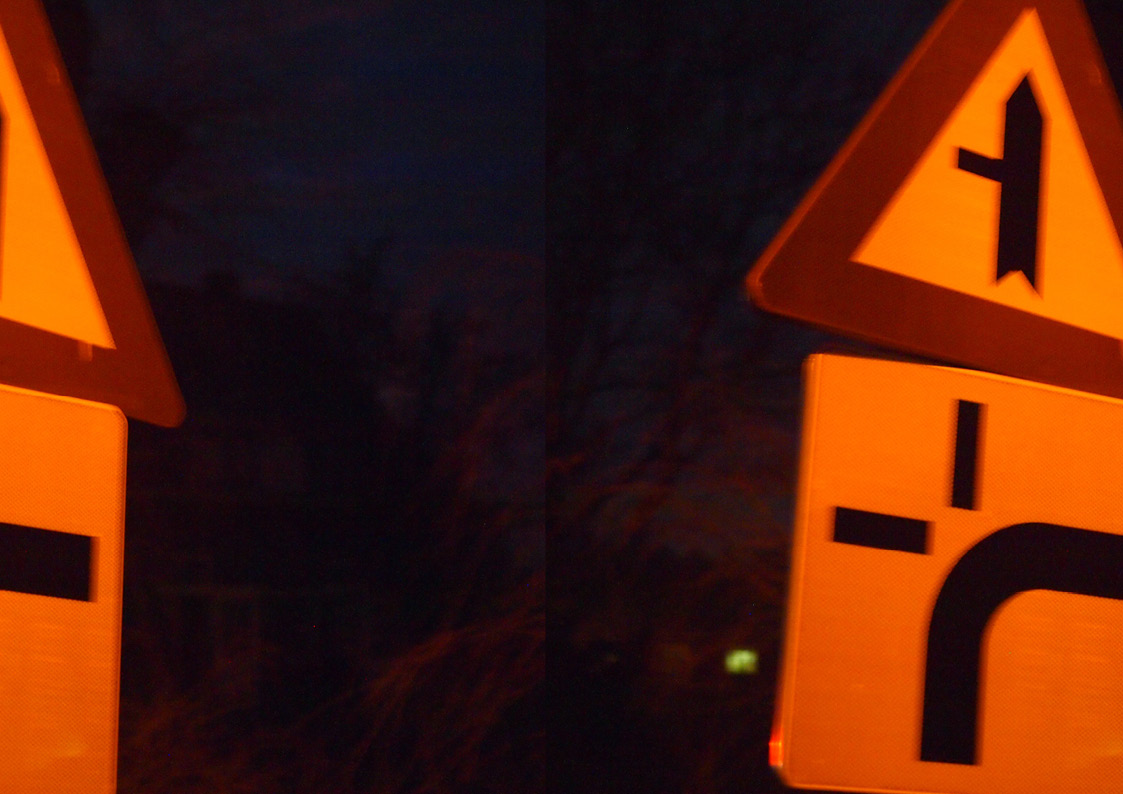
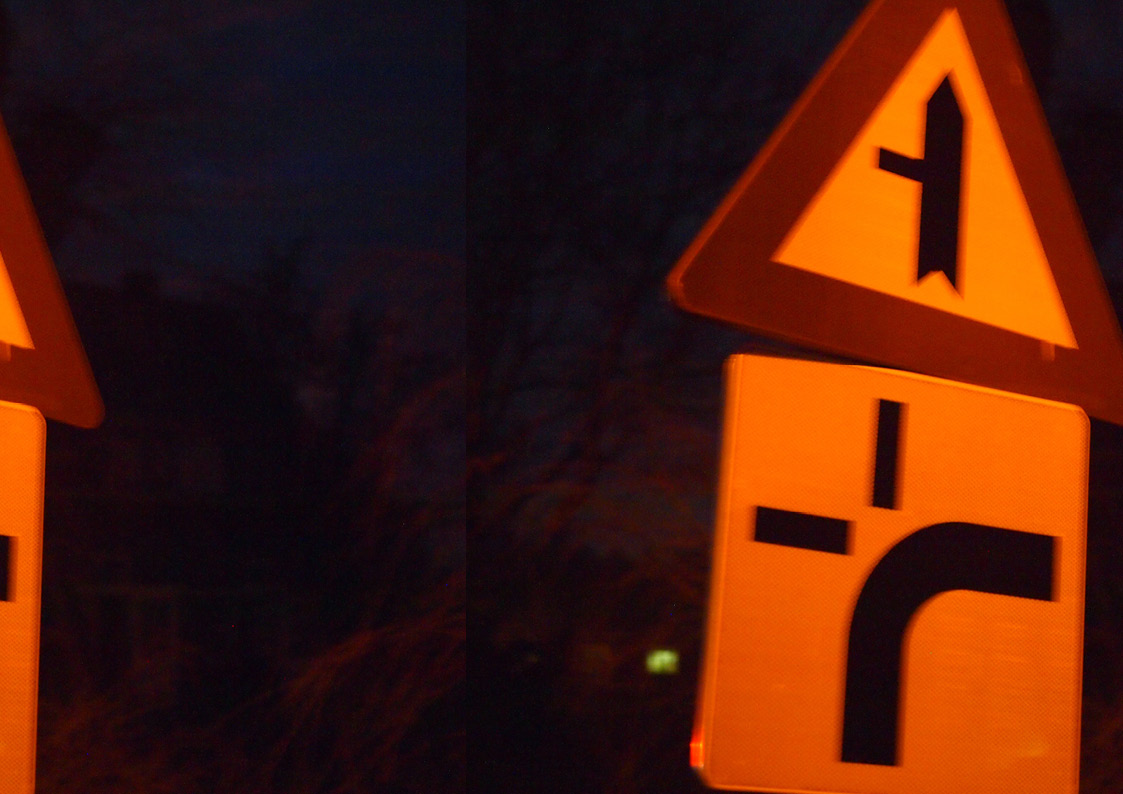
this time it’s art;
this time it’s pink;
this time it’s really big;
this time it’s Sophie Calle.
But still it’s repetition

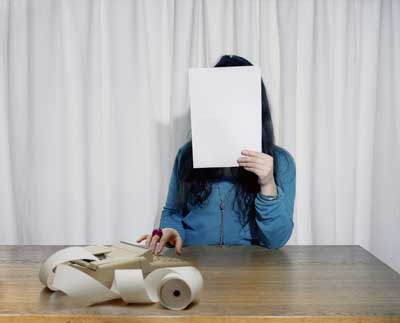
A letter, over and over again, but the same letter. 30 women from different ages, professions, layers read it, interpretate it into what they think is the content. Now suddenly it seems not to be about the same letter anymore, but it is!
Repetition in language apparently is different than repetition in forms and shapes.
Language has a personality to it that by the slightest (miss) interpretation or (miss) understanding, the content seems to change. So now it’s not a repetition of the same letter 30 times, it’s about 30 different letters.
I get confused now, because I seemed to think that our interpretation of forms, prints and products would be more alike for everybody. Because a form is a form and a product is a product. Because we learned a cup is to drink from, we see a cup to drink from.

We also learned the meaning of words, but somewhere through life these meanings seem to form itself into (slightly) different ones.
Our idea about forms and products are also changing through life, but it somehow seems to me that there is more of a conventional thing to it, or al least a less personal one. At least the function.
cat.no. -call-2

keyword: repetition

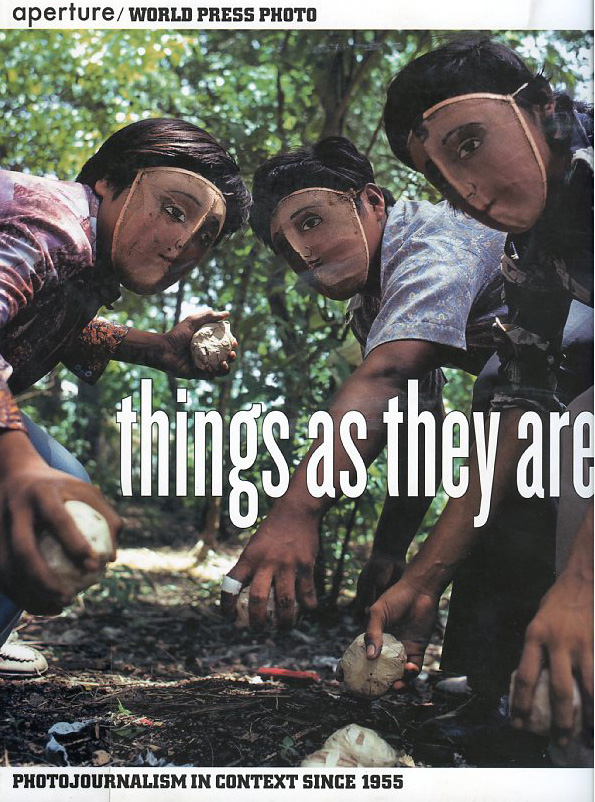
things as they are and things as they were


Wednesday, April 1, 2009

“things as they are” is a book reflecting photojournalism of the last 50 years.
it is a documentary about the development and change in this specific genre, but also very useful as an overview of of social, political and enviromental topics, concerning the media in this timeperiod.
Its definition as an artbook functions, because it is dealing with the medium photography itself, aesthetics, how they change, but also with the investigation of reality and how it is and has been shown to us.
It’s great flipping through it for the matter of inspiration, information, investigation, interest and the aestetical experience.

cat.no. 761.6-pan-

keyword: overview

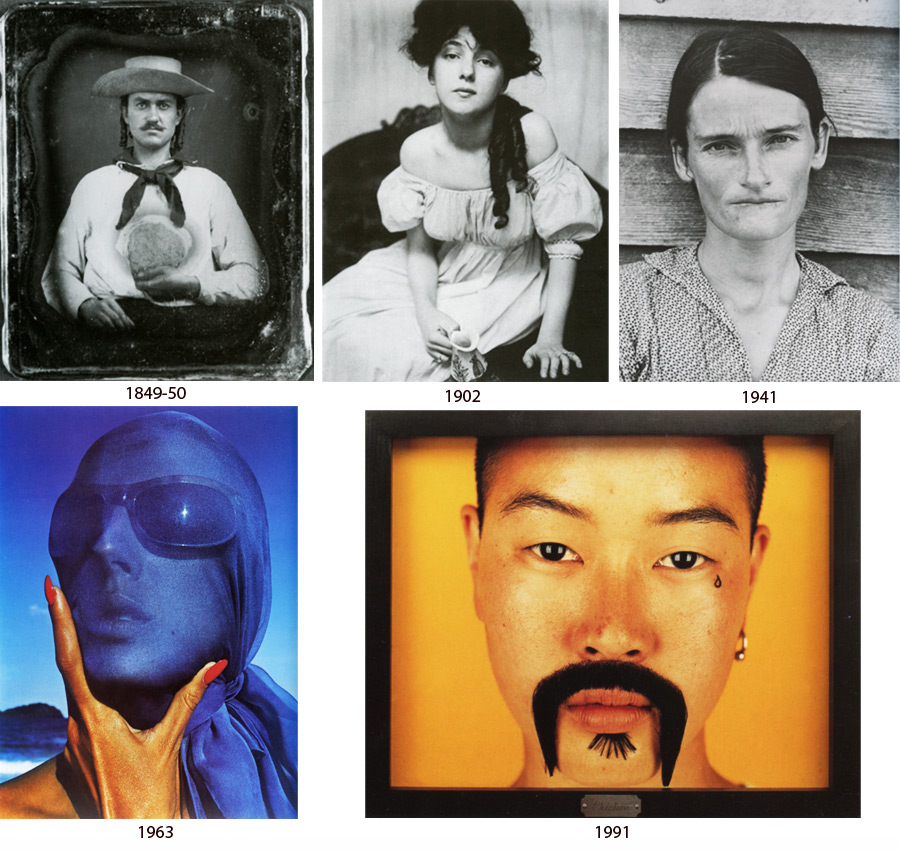
Time identity in photography


Wednesday, April 1, 2009

While I was looking for the book, which could give me some materials about identity, I found, that there are not much books about photography in our library. So, I decided to stop on this History book, which includes photos from 19th-20th century. I have chosen a portrait genre. But I found that it’s difficult to talk about this topic objectively, showing just a few examples. The idea was to show changes in society, that led to the changes in photography also. Not only technical innovations had influence on it. I can say that now we have a good material, good inheritance, that we can use in our work. And, of course, our present time has it’s own identity, interesting, what kind of changes it will leave after.

book no: 761-WAR-1

keyword: identity

Metal Balls


Tuesday, March 31, 2009

For this book, I need to cheat. I will add a tag to my previous entries. Maybe like every book, this one is also a time related book.
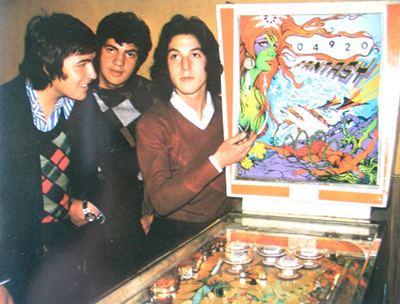
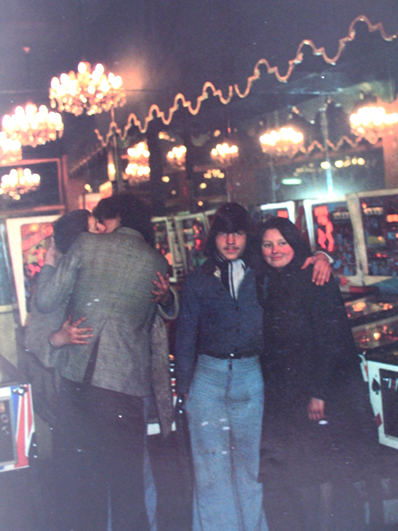
The images in this book are trying to give you a certain feeling of action and adventure in the 1970’s. You, standing in a bar, always playing with your metal balls. Sometimes you are a cowboy, killing Indians. Other times an astronaut looking for new worlds in outer space.
I didn’t read any text, but I think to people have really interesting stories to tell you about how it is in the pinball business.
You should read them.

Sharpe PINBALL! Hamilton
cat.no. hami 1

keyword: time

SIGN IDENTITY


Thursday, March 19, 2009

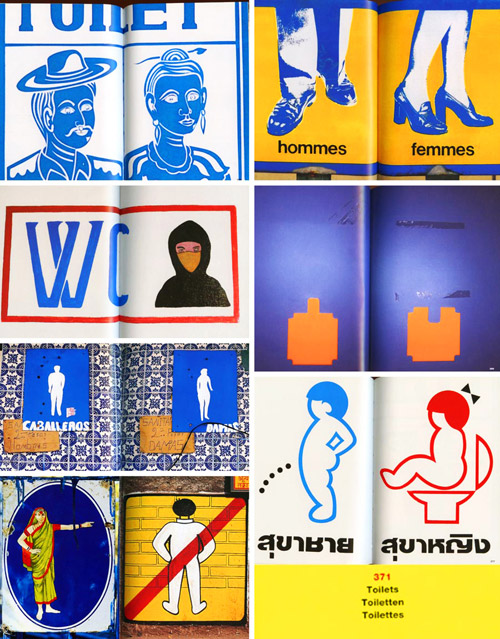
Some years ago I found in internet journey letters by Moskow designer Artemiy Lebedev (tema.ru). There was one thing I interested in: road signs, street signs, signal lights that surround us everywhere we go, but with national identity. So, last week I found in a library book, called 1000SIGNS, about same things, but with bigger collection of sign pictures from all over the world. I found it very positive and interesting, that, for example, toilet signs can look different and at the same time tells something special about the country or society they are from. I can’t add any other comment, you have to see it.


And there are also some funny signs about dogs and…

cat. nr: 754.9-mus-1

keyword: identity

EXCAVATION (part 1)


Thursday, March 19, 2009

A pyramid

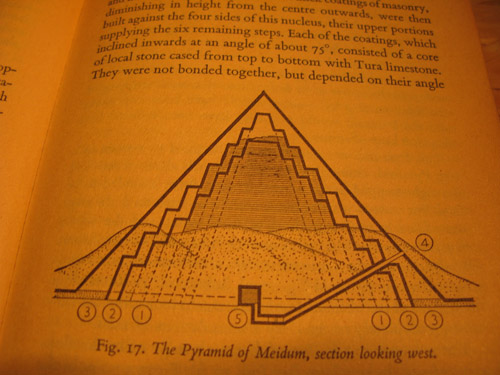
A book I found interresting is about pyramid design in ancient Egypt. The quality of the designs created by the ancients can be very inspiring tough it may seem a bit qliché, the mystery around the monumental pyramids as a timeless form are still facinating.

The book is an old and worn pocketsized relic it self. Its plastic wrapping that is protecting the cover almost falls off as you open it. It contains lots of illustrations and groundplan sketches of pyramidstructures, materials used, design methods and tools.

cat. nr: 712.5

keyword: pyramid

standing still


Wednesday, February 11, 2009

I will start with a beautifull sentence that has inspired me often. ‘’standing still for a moment, is actually a big step forward. So I stand still the whole day”. This sentence is a complete overview of what slowness is for me. But is this in connexion to any kind of design or art? For me in some cases this standing still adds a big layer in looking at things. By looking at objects and art for more than an hour and from the same perspective, it gives a new strength. But is there a way to make other people expierence this power of standing still. What could design/art add to this?

lines


Friday, January 30, 2009

how would it be to echo somebody?
how would it be to be echoed?
how does it feel, to be allowed to echo somebody?
how sensitive are you to get a good connection to his/her mind or presentation?
hoe does it feel to be echoed by somebody else?
is he/she sensible enough with your thoughts?
should everything be open, or is it better to hold something behind?
are there any rules or lines which should be followed?
i mean… is it really necessary to be always soft and sensible or what would change it, if you would cross the line?
about yourself, it is an easy question, i think you know your inner mine very well?
but how much do you know about the lines of the others?
or how easily can we meet in the middle of that line?

link: Osilloscope

D group /Type Design, from Experimental to Corporate


Tuesday, April 22, 2008

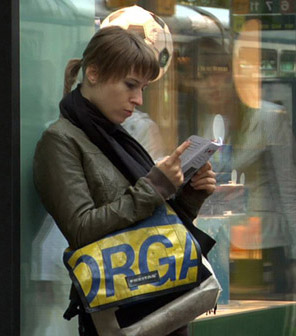
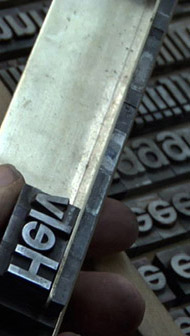
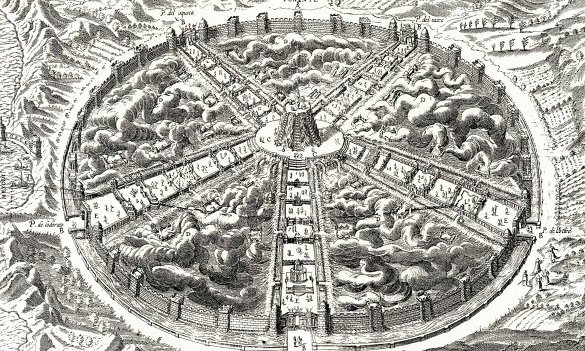
Helvetica is a feature-length independent film by Gary Hewitt, about typography, graphic design and global visual culture. It looks at the proliferation of one typeface (which is celebrating its 50th birthday this year) as part of a larger conversation about the way type affects our lives. (http://www.helveticafilm.com/) Helvetica introduces type as more than common. A specialized design discipline.
helvetica movie image1helvetica movie image2

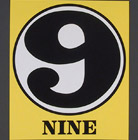
A lecture by Henk Groenendijk on experiments in type design, related to ‘developping cultural and economical progress in the 1950-’70, gave more insight in the context that proved so fertile for Helvetica’s rise to stardom.

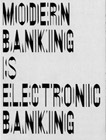
Indiana Number-paintingLogo’s from fiftiesSandberg Experimenta TypograficaModern Banking

Time and space is a given phenomenon in education at the Rietveld Academie, where things constantly present themselves in past and contemporary creative projects. As an almost casual gesture, some 2nd year students from the graphic design department dropped by to present their recent type designs in progress.

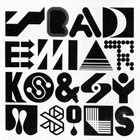
Student type design

Finally research material was edited down to A4 sized guided tours into selected subjects. All subjects presented in this list are also available as hard copy research prints at the ResearchFolders available at the Rietveld library.

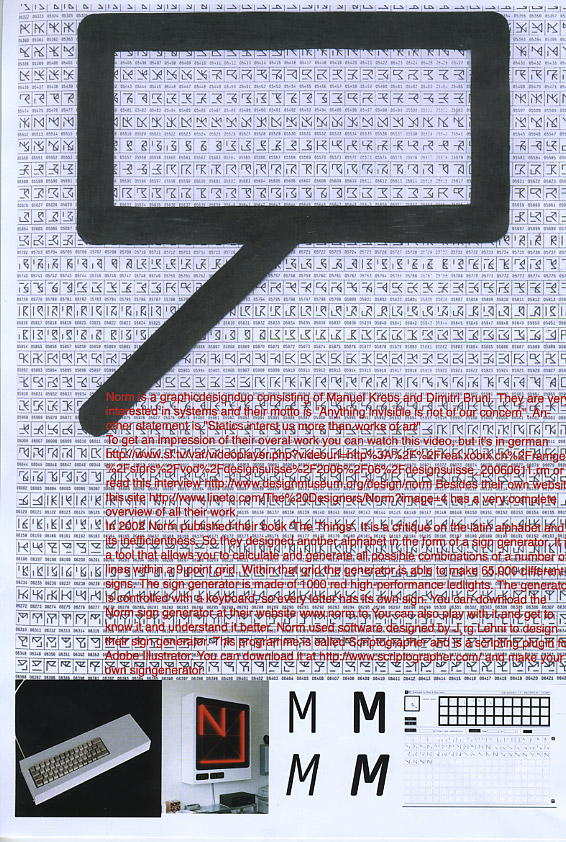
As usual we selected subjects with a direct connection to the context of the presented material in this classbloc. In this case Helvetica the Movie” and its content, was researched through subjects like the Corporate Alphabet, Wim Crouwel, Laurenz Brunner, Experimental Jetset, Norm type design and their publication “TheThing” or Letterpress.

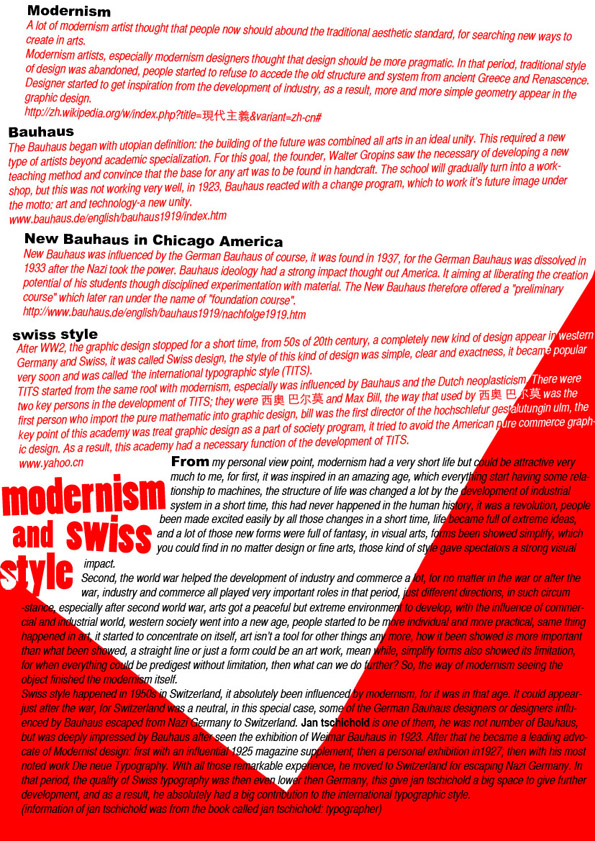
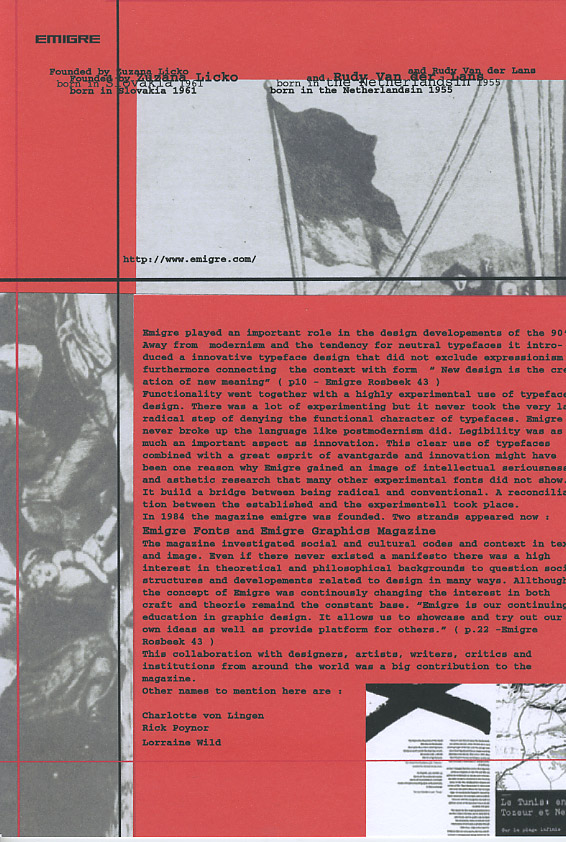
The lecture gave a much broader perspective from which researches like de Stijl fonts, Buro Destruct, Zaph Dingbats, the Univers Font, Systemfonts, Swiss Style/Modernisme, Guy Rombout’s AZart and Edward Fella were initiated. Widening the discussion towards the Helvetica subject by adding links to the actuality, some more subjects were added, Jonathan Barnbrook. Richard Niessen, Type Radio, Emigre’s Zuzana Licko, Jonathan Puckey’s Type Tool, the mysterious typebased posters of Michel Schuurman and ultimately the concept of Dead Type by Hansjakob Fehr