Skip to Content Skip to Search Go to Top Navigation Go to Side Menu


"sound" Tag


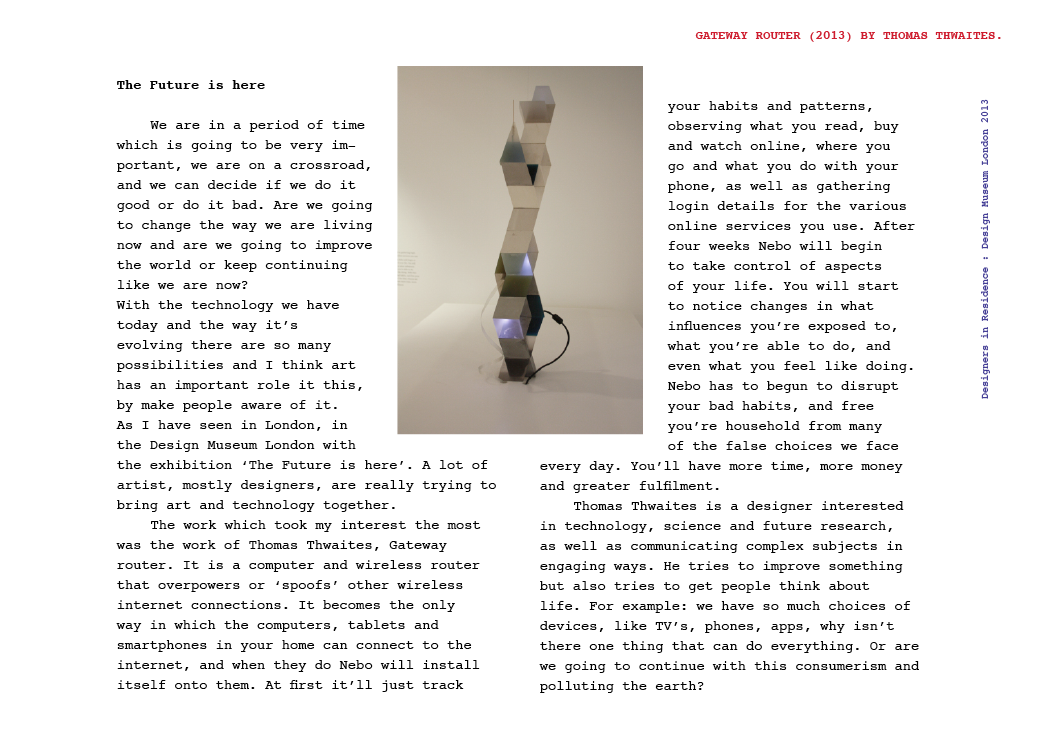
Touchable sound


Thursday, April 11, 2013

Are you dying to get your hands on a book? How you can choose the only one from thousands titles on the bookshop shelves? To search books by authors you’ve enjoyed in the past? Isn’t it boring? Look for a “Keyword”. Does it really work like that? Imagine that you are in the restaurant ordering a dish you’ve never tasted. What’s then? You can explore the ingredients, take a look at the picture. But still you can’t smell it or  touch it. With the book – it’s not the same, actually. Real book has it’s own aroma, touching feeling and the sound. That makes it almost a dish you can try before you order and pay.

Narrow down your stack. If you would rather have book 1 over book 2, put book 2 back. Keep doing this. If you would rather have book 3 then book 1, put book 1 back, etc. Try to feel the quality of paper, the smell of typography, touch it as you choosing a fruit or music instrument. Fall in love with it’s cover, play on it, feel it’s life. Deep sound from book’s cover will make you want to take this book to your hands again and again and again. And it will not be quietly collecting dust in your house.

Touchable Sound

Audio clip: Adobe Flash Player (version 9 or above) is required to play this audio clip. Download the latest version here. You also need to have JavaScript enabled in your browser.

Rietveld Library cat.nr: 775.2 vri 1

From colour to sound


Wednesday, December 12, 2012

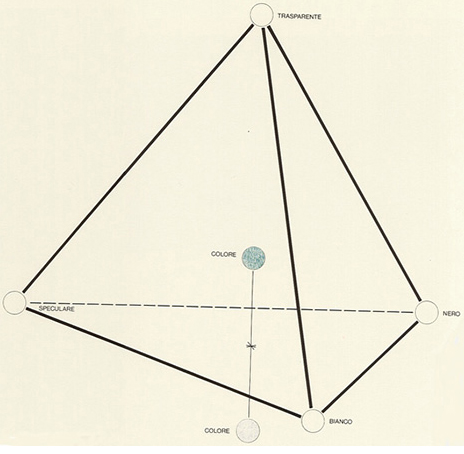
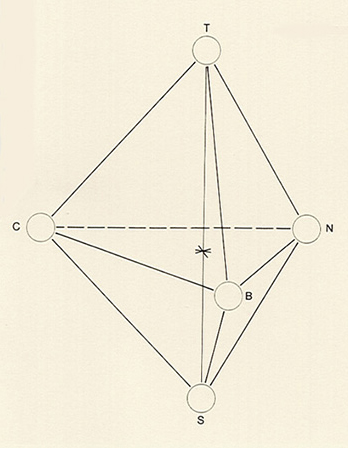
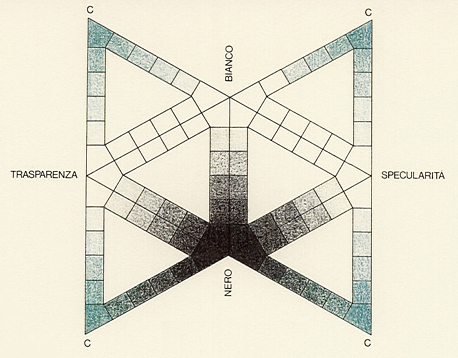
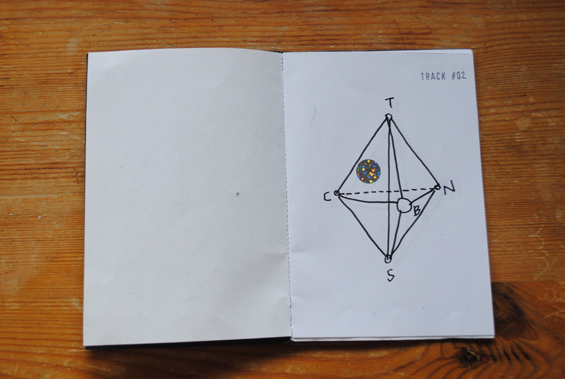
The CMN colour system was created in 1986 in Italy. It shows how colours change. How they can get brighter and eventually become white (bianco) or darker, thus resulting in black (nero). They can also become transparent (trasparente) or reflective (speculare). The CMN-86 colour system is about how colours appear, change and disappear. Going from dark to bright and from reflective to transparent, a specific colour can become very different, this system takes that fact into consideration, as the only one!

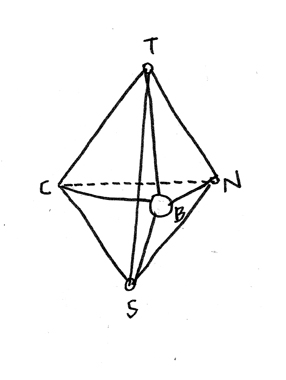
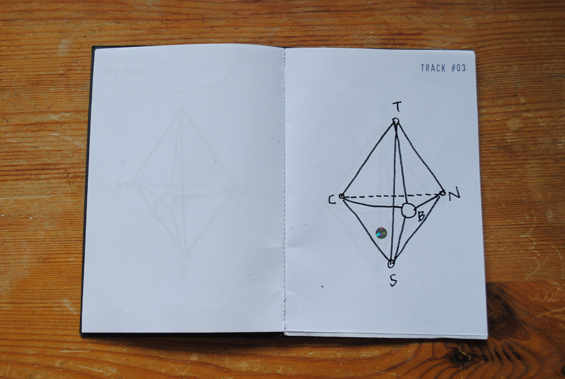
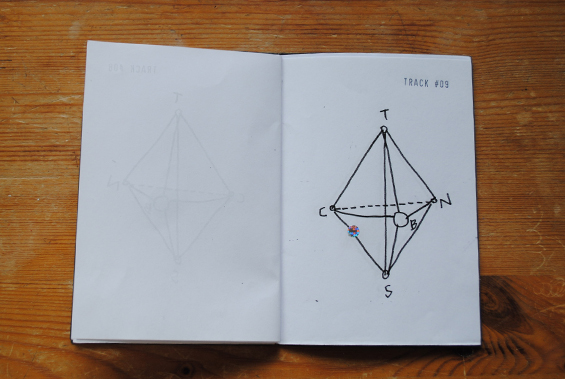
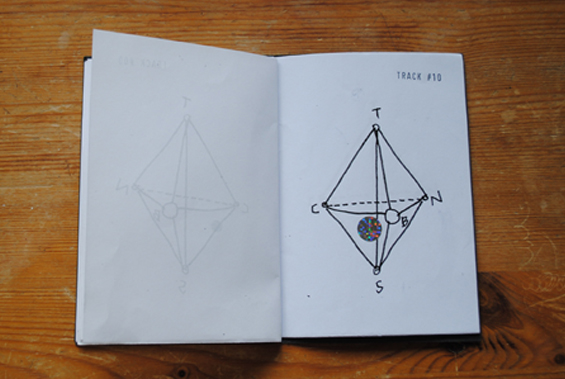
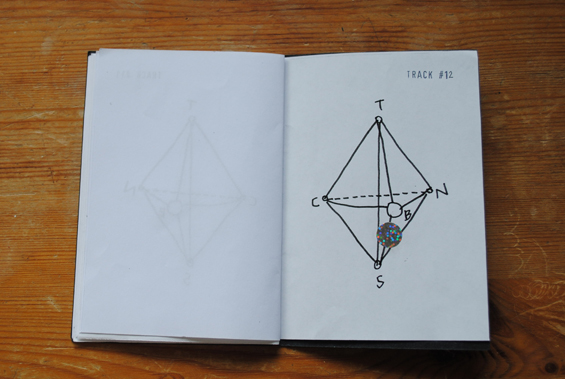
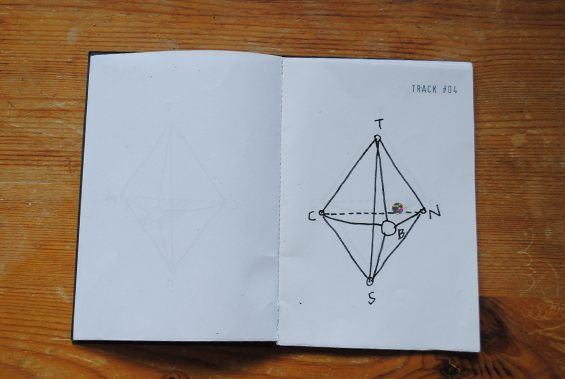
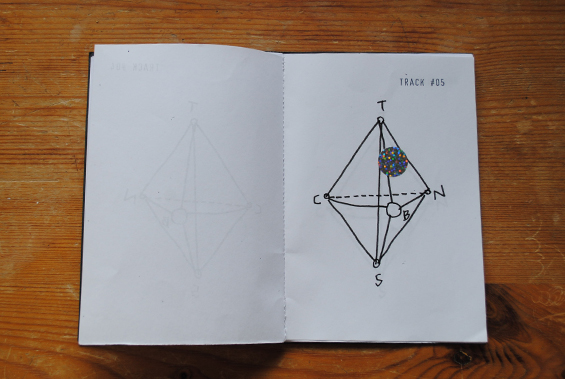
This system takes the shape of a tetrahedron, originally met in Plato’s geometrical ideas of colours. It can be combined with other systems in order to not only express the origins of the colours but also reflect the intentions of the observer. C is for “colori” an etymologically interesting word that means “something disguised and revealed”. In other words, something is taken away from white light (original essence) so that the object is revealed.

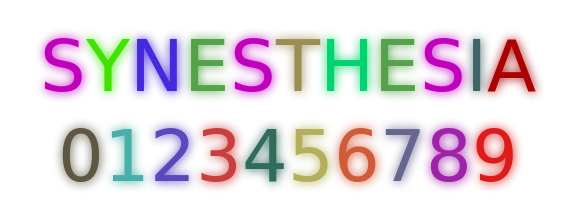
Synesthesia is a condition in which one sense (for example, hearing) is simultaneously perceived as if by one or more additional senses such as sight. Another form of synesthesia joins objects such as letters, shapes, numbers or people’s names with a sensory perception such as smell, color or flavor. The word synesthesia comes from two Greek words, syn (together) and aisthesis (perception). After some research I found out that synesthesia is divided in different types according to what senses are involved. The specific one concerning sound and color  is called Chromesthesia. I wanted to use that as a base for my work and try to find a way to combine this scientific fact with the colour system I’m working on.

Instead of imagining a color moving and evolving into the tetrahedron, let’s imagine a sound.

thus:
Color = sound
Bianco = high pitch
Nero = low pitch
Transparente = puissance
Speculare = delay

I first decided to work with sounds of everyday-life like opening the fridge, cooking, turning the light on. I wanted so see what could happen to this typical sounds within this new system.
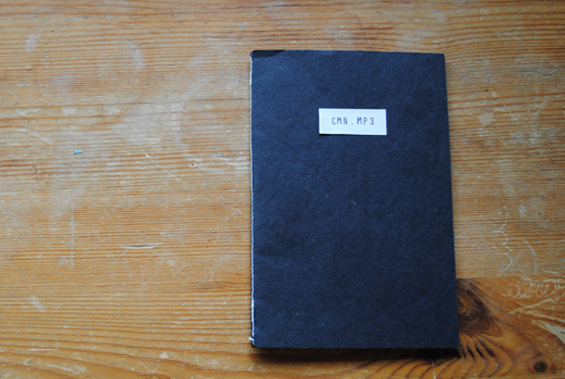
These sounds were finally too complex and couldn’t really make the system clear and understandable, I preferred to use a really simple and pure sound and make it move in the system to reveal its logic. I made a book so, while you are listening, you can see where the sound is located on the tetrahedron and, therefore, grasp the system.

Audio clip: Adobe Flash Player (version 9 or above) is required to play this audio clip. Download the latest version here. You also need to have JavaScript enabled in your browser.

Audio clip: Adobe Flash Player (version 9 or above) is required to play this audio clip. Download the latest version here. You also need to have JavaScript enabled in your browser.

Audio clip: Adobe Flash Player (version 9 or above) is required to play this audio clip. Download the latest version here. You also need to have JavaScript enabled in your browser.

Audio clip: Adobe Flash Player (version 9 or above) is required to play this audio clip. Download the latest version here. You also need to have JavaScript enabled in your browser.

Audio clip: Adobe Flash Player (version 9 or above) is required to play this audio clip. Download the latest version here. You also need to have JavaScript enabled in your browser.

Audio clip: Adobe Flash Player (version 9 or above) is required to play this audio clip. Download the latest version here. You also need to have JavaScript enabled in your browser.

Audio clip: Adobe Flash Player (version 9 or above) is required to play this audio clip. Download the latest version here. You also need to have JavaScript enabled in your browser.

Audio clip: Adobe Flash Player (version 9 or above) is required to play this audio clip. Download the latest version here. You also need to have JavaScript enabled in your browser.

Audio clip: Adobe Flash Player (version 9 or above) is required to play this audio clip. Download the latest version here. You also need to have JavaScript enabled in your browser.

Audio clip: Adobe Flash Player (version 9 or above) is required to play this audio clip. Download the latest version here. You also need to have JavaScript enabled in your browser.

Audio clip: Adobe Flash Player (version 9 or above) is required to play this audio clip. Download the latest version here. You also need to have JavaScript enabled in your browser.

Audio clip: Adobe Flash Player (version 9 or above) is required to play this audio clip. Download the latest version here. You also need to have JavaScript enabled in your browser.

My project consists of the translation of a visual system regarding colour to a visual system regarding sound. The original CMN system shows how colour appears, changes and disappears,  from black to white, across reflection and transparency. This system is a way to apprehend a colour and its nature within a defined scientific tetrahedron-shaped space. Applying it to sound give us a way to approach sounds in a different angle, sounds can become autonomous elements of our environment.
Then, we could imagine to use this system on other matters like smell, touch, feelings, … and give a tangible and reachable reality to the unspeakable.
Signs and sounds – The way to communicate


Friday, October 26, 2012

If you talk about communication, you can not avoid Paul Elliman.

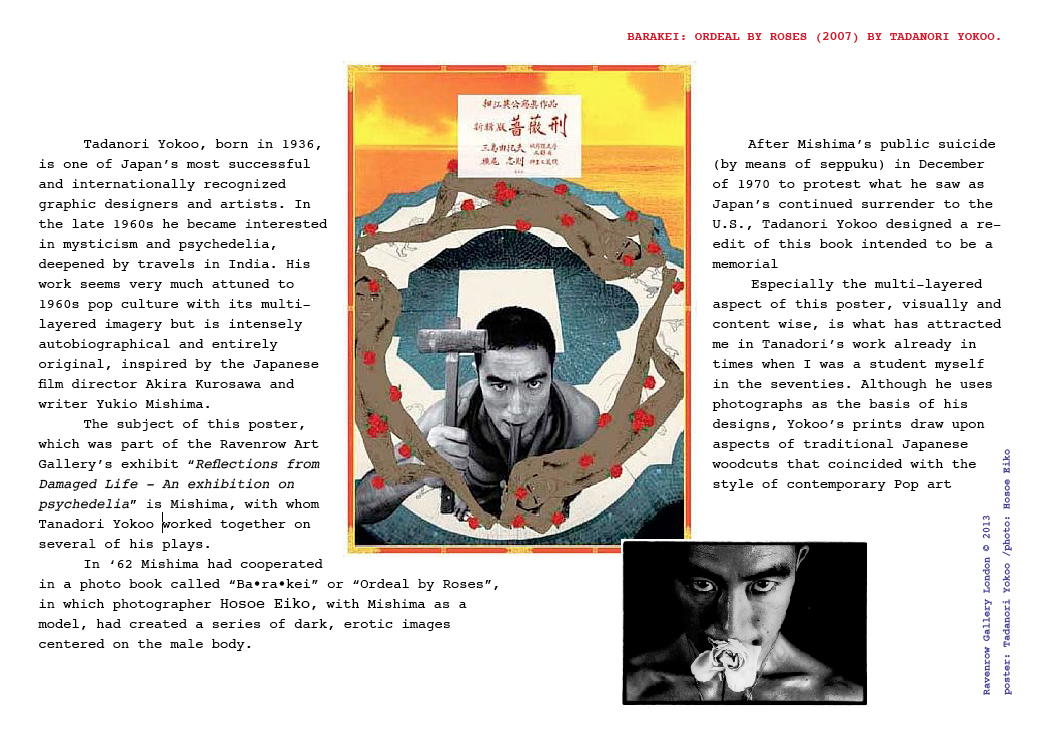
Paul Elliman is born in 1961 in the UK. He is a London based artist and designer, with works primarily focusing on communication and different ways of communication through language, sound and typefaces.

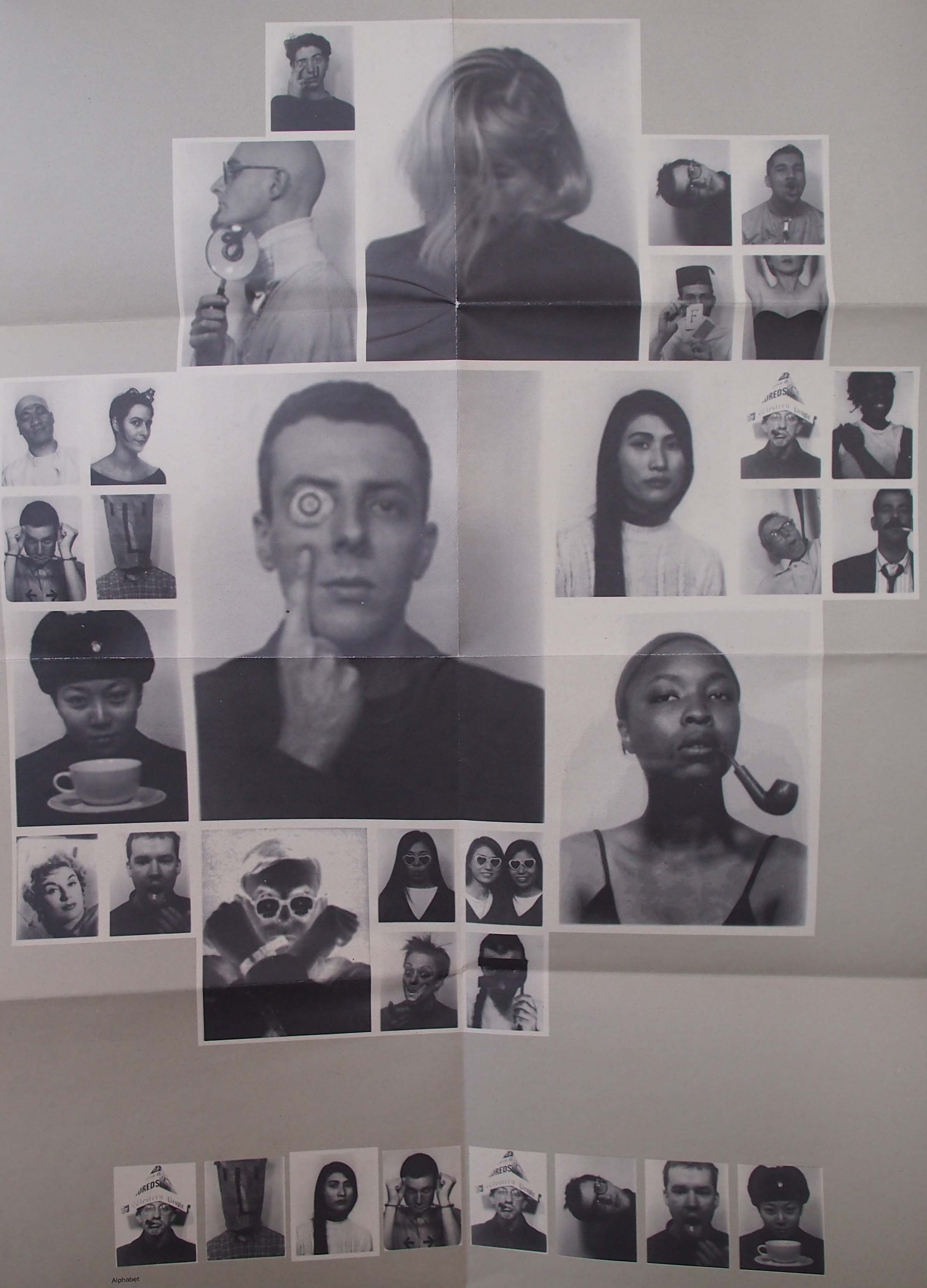
He is dealing with new looks and ways to use the written language. He has made a human alphabet, with people acting letters in a photo booth machine.
 

The original poster as Paul Elliman made it.

His work often involves collections of things. The largest project is his own font, “Found Font”, which is based on things from his everyday live. It is an ongoing project that already has been going for over 23 years.

(more…)

Multimediakunst


Thursday, January 19, 2012


Kunst, muziek en technologie smelten samen in installaties waarbij de interactie met andere elementen centraal staat.
Het geluid reageert op beweging en beeld reageert op geluid. Het begon allemaal in 1958 met de videopresentatie Poème Electronique van LeCorbusier, ook wel het eerste ‘multimedia-kunstwerk’ genoemd, met als doel te laten zien wat technologische vooruitgang de mensheid oplevert. Een klankgedicht waarin architectuur, geluid en beeld samen vloeien tot een geheel.
Vanaf dat moment ontwikkelen technieken zich verder en daarmee de mogelijkheden voor deze installaties.
Dit boek bevat een overzicht van een aantal kunstenaars die zich vanaf dat moment zijn gaan specificeren in deze ‘multimedia-kunstwerken’.


this post is part of he subjective library project "Unopened Book"
the book can be found at the Rietveld library : catalog no :

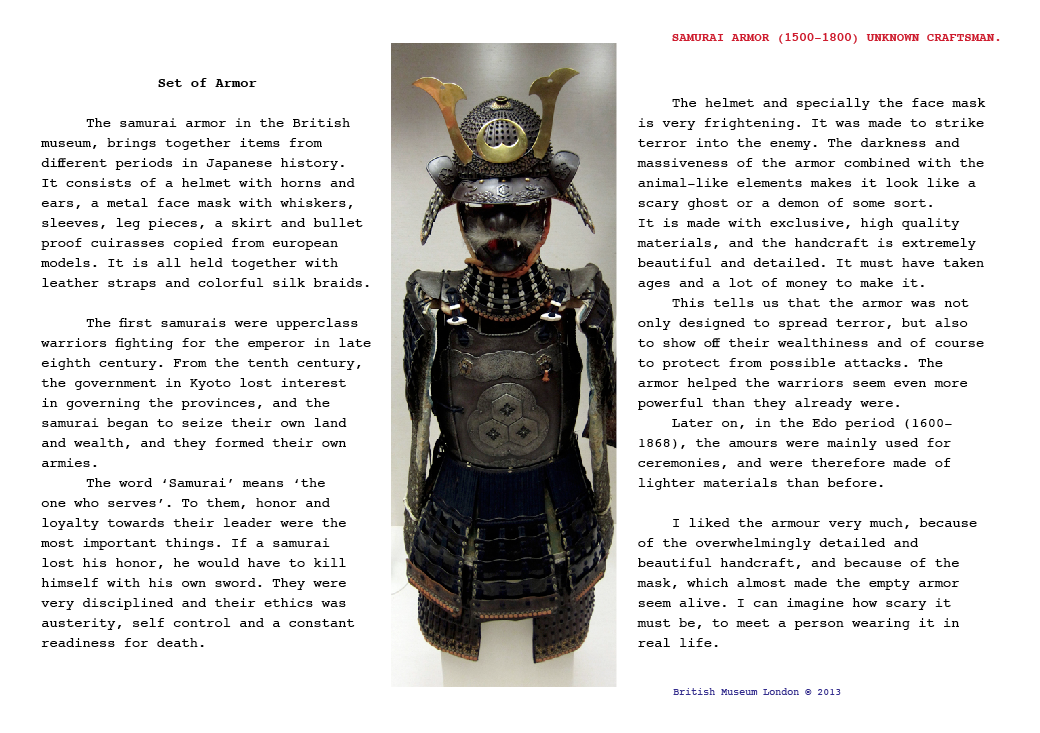
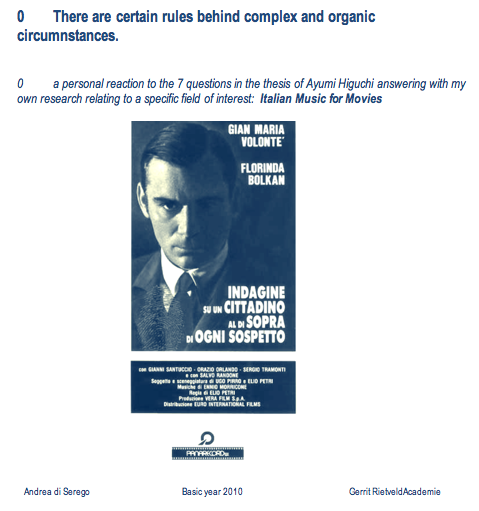
Italian Music for Movies


Tuesday, June 1, 2010

- click on image to download research pdf -

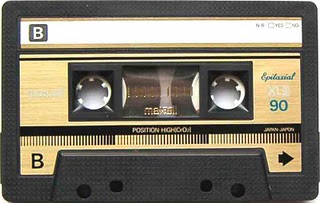
Maxell 90 Gold


Thursday, March 4, 2010

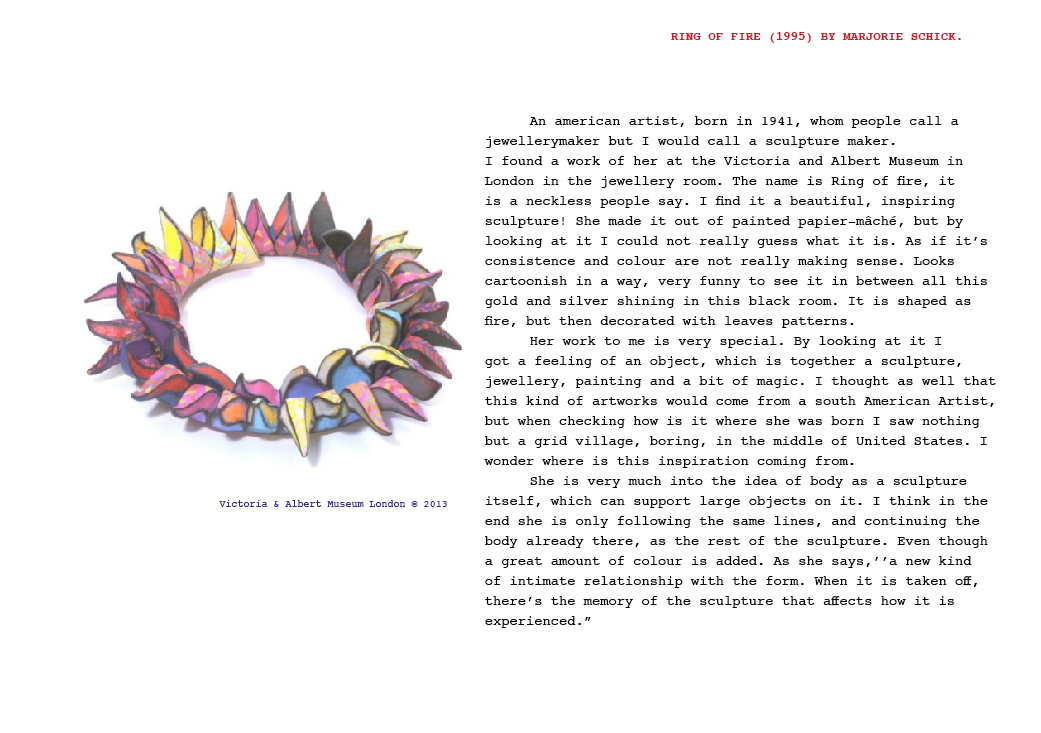
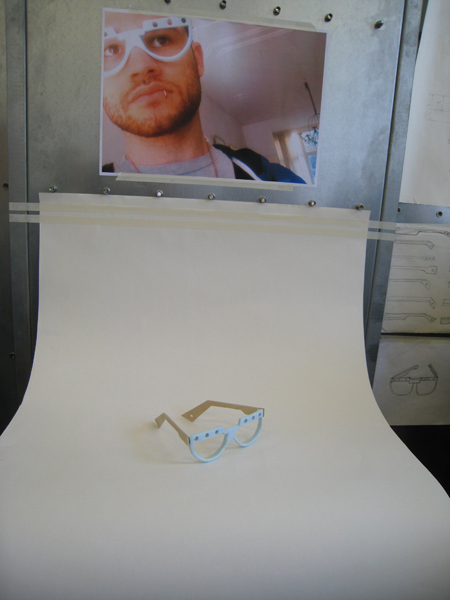
For me sound is something mysterious, because I’m deaf. during my childhood I was fascinated by music cassettes (casette-bandjes). People love these things. For me it was hard to imagine.
Something coming out of the cassette that I couldn’t see.
some more interesting elements:
– gold/black – variety volume of lines – symmetrical holes – two hole with teeth – rectangle with round corners – easy to put in pocket – parallel lines–

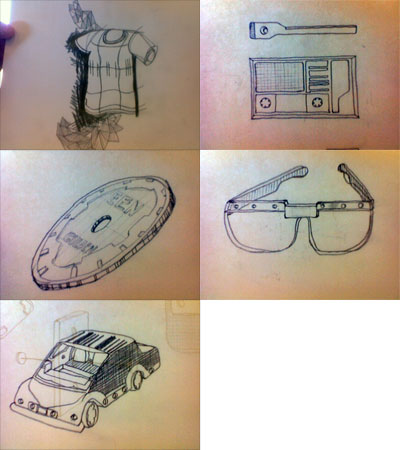
scale drawing “make invisible visible”

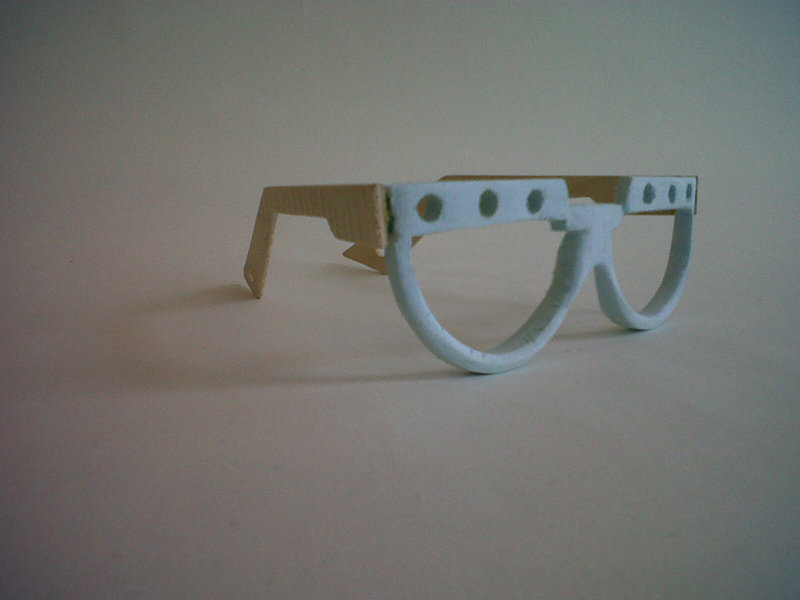
final presentation

Exploring the possibilities for translating the idea into a product brought me to a new space for viewing the designwork. I fell in love with the PET-foamboard material and thin woods. I could change the shape and lines (movement).
During the translating I solved the technical problems/errors that I couldn’t see in my scale drawing. I had to wear the showmodel glasses in order to solve these problems and find the right shape (nose-holding, hinge and degree angles).
I’m happy with my first design product translation from the (inaudible) cassette-band and I don’t mind wearing it.

Sound in simplicity.


Tuesday, March 2, 2010

Sound.

Heads turn.

What arrives?

What passes by?

Research.

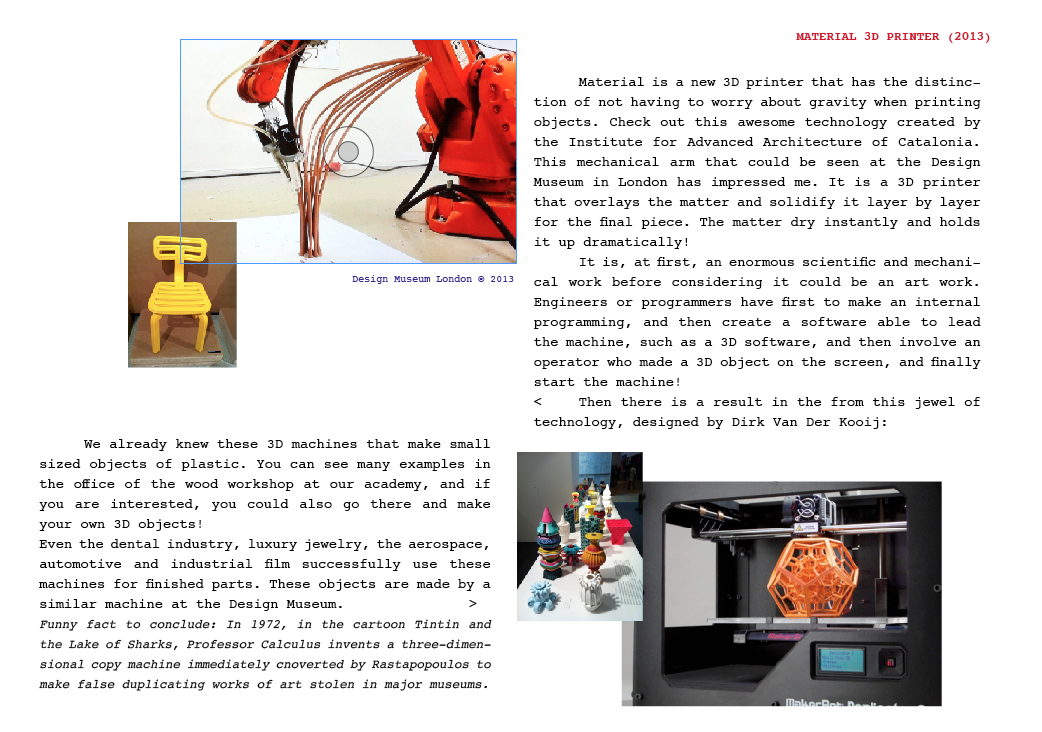
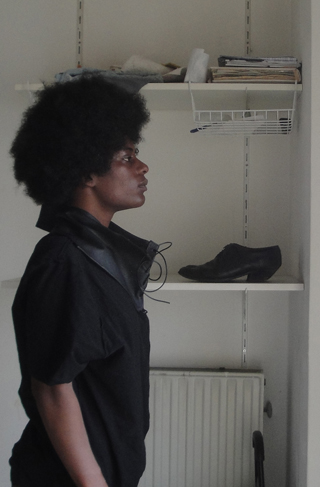
Male tango shoes.

Makes sense.

Quite feminine, though.

Androgynous.

Turkish shoemaker fixed them.

20 euro’s.

Cheap.

“Beautiful, around thirty years old.”

Leather, black, a hint of wood.

Ten little holes.

Thin black laces.

Simplicity.


Simplicity.

Starting point.

Sound transformed into visuals.

Black.

Second hand leather.

Ten small holes.

Covering skin.

New necklace.

New scarf.


Sound >< Time + Space


Tuesday, January 26, 2010

Ambient


Monday, May 4, 2009

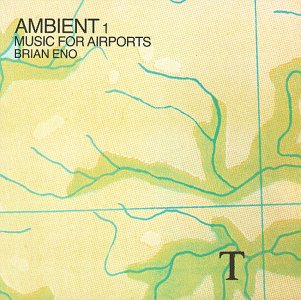
Brian Eno’s repetitive music. He is known as the creator of the so called ambient music which is a low volume music designed to modify one’s perception of a surrounding environment. That sentence is true in the fact that I stop being annoyed by all the people around me and I turn inwards. I notice my own heartbeat, the way I move through the crowd; all the little details around me seem beautiful and unique. Even the fat lady eating Febo is strangely hypnotizing.
That’s the thing about ambient music, as Brian Eno termed, it can be either “actively listened to with attention or as easily ignored, depending on the choice of the listener”. If you listen to it in your headphones then you are alone in your own world but if it’s in the background ,for instance in a restaurant, it turns into elevator music. Eno used the word “ambient” to describe music that creates an atmosphere that puts the listener into a different state of mind; having chosen the word based on the Latin term “ambire”, “to surround”.

The importance of living in the right now, in the moment, seems to increase every day. Like Brian Eno talked about in his essay for The Long Now Foundation

“Now’ is never just a moment. The Long Now is the recognition that the precise moment you’re in grows out of the past and is a seed for the future. The longer your sense of Now, the more past and future it includes.”

I think what he means is that we should all live in the moment because who knows what will happen in the next 5, 10, 20 years. The glaciers might have melted and we could all be living in boats. Well, I certainly don’t want to be that pessimistic and I usually think about the future in a positive way. But when I start to think about this type of stuff I prefer to live myself in the moment. The dinner I’m going to eat in a few minutes, I need to clean the table first and then I might go to the bathroom. I love the fact that I don’t know what is going to happen so I tend not to plan too long ahead, although I have a plane ticket back and forth Amsterdam and Reykjavík months in advance. I know that I will spend my summer in Reykjavík with my friends and family and I will probably get a work in my mothers business. I think I know those things, but they are still 3 months away. A lot of things can happen in 3 months. Making a plan gives you a false sense of security that if everything is going according to the plan then you are safe. A plan gives you also something to look forward to, then you know that you won’t be stuck doing the same thing months ahead. Living in the right now while making plans is the perfect solution, to always have something to look forward to and still enjoy what you are doing in that specific moment.

link to Big Here and Long Now
link to Brian Eno
links to Ambient Music: Music for Airports interview on this subject

Ambient is a posting by Thordis Zoega

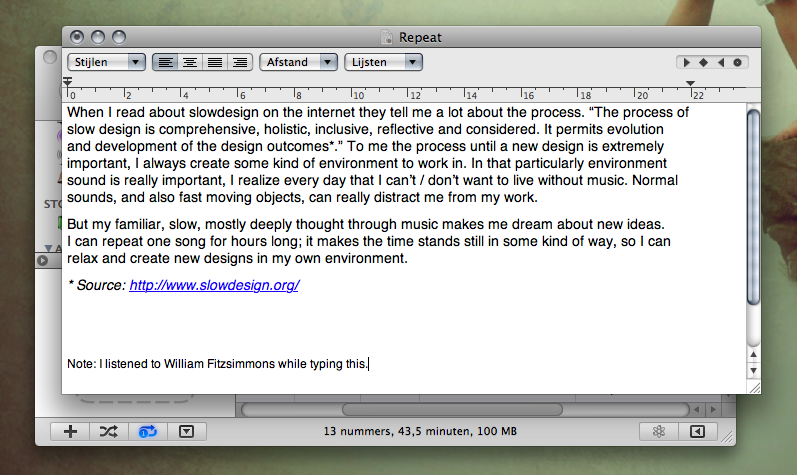
Repeat.


Saturday, February 14, 2009

listen to William Fitzsimmons while reading X

Voice of The Gerrit Rietveld Academy


Thursday, January 29, 2009

Echo,

v. reverberate; repeat a sound; transmit immediately each character received by a computer back to the course as to serve as a confirmation of receipt (Computers)

n. repetition of a sound produced by the reflection of sound waves from a solid surface; (Computers) user input printed to the screen so the user can read it; (Slang) person who reflects on another person; person who imitates another

As I walked trough the hallways of the Rietveld I see everything developing,
objects, drawings, performances, everything is moving and growing.

although the strange thing is that everything looks a bit a like,
exchanged words, moves, thoughts connected, reflected and formed,
into one echo that belongs to the voice of the Rietveld academy


Log in